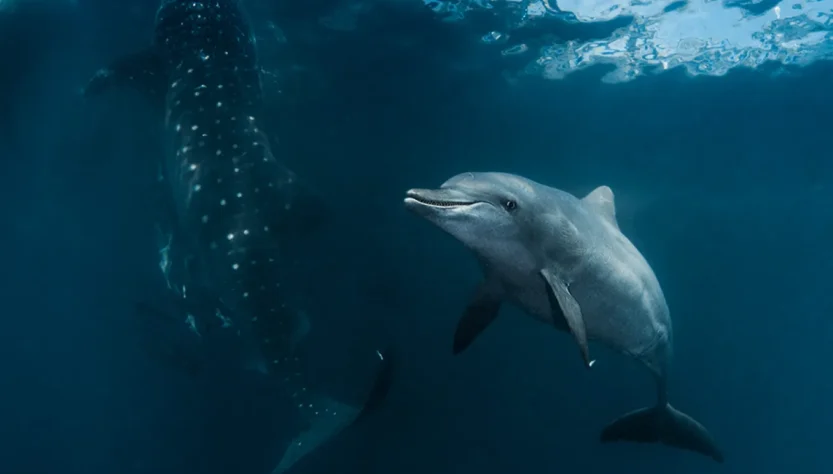
Triton Bay diving difficulty is best described as moderate rather than extreme. The destination is remote, visibility can be limited, and several sites may experience current, but many dives are manageable for confident intermediate divers when guided by an experienced crew. The main challenge is not necessarily depth. It is the combination of variable conditions, buoyancy control, repetitive diving, and the need to follow briefings closely.
Located near Kaimana in West Papua, Triton Bay is known for shallow soft-coral gardens, black coral forests, schooling fish, macro life, wobbegong sharks, and possible whale shark encounters around traditional fishing platforms. It feels very different from high-visibility tropical destinations, making preparation and realistic self-assessment particularly important.
How Difficult Is Diving in Triton Bay?
For most certified divers, the answer depends less on the certification card and more on recent experience. A diver who is comfortable entering from a tender, descending without a fixed line, controlling depth, maintaining buddy contact, and deploying a surface marker will usually be better prepared than someone with a higher certification but little recent practice.
Water temperatures are approximately 27–31°C, while typical visibility is around 10–15 metres and can fall further when plankton levels rise. Some sites can experience strong currents, although moderate flow also supports active fish life and fully opened soft corals. Conditions are assessed before each dive, allowing guides to adjust the timing or location when necessary.
Therefore, Triton Bay diving difficulty can change from one site—or even one tide—to another. A sheltered coral garden may feel relaxed, while a current-exposed point may require a faster descent, close group positioning, and disciplined gas monitoring.
Are the Currents in Triton Bay Strong?
Not every dive involves strong current. The region includes sheltered reefs, channels, walls, and exposed points where water movement varies with the tides and local topography. Moderate flow can create excellent marine-life activity, but divers should avoid fighting it.
PADI recommends neutral buoyancy, streamlined equipment, careful current planning, buddy awareness, and familiarity with a delayed surface marker buoy for drift diving. Swimming directly against strong flow can increase exertion, stress, and air consumption.
Divers without current experience should complete several guided drift dives before joining remote liveaboard dive trips. This preparation is valuable throughout diving in Indonesia, especially in regions where dive plans depend heavily on tidal conditions.
How Does Limited Visibility Affect the Dive?
Visibility is one of the main factors shaping Triton Bay diving difficulty. Ten to fifteen metres is enough for rewarding exploration, but it may feel unfamiliar to divers accustomed to crystal-clear water. The same plankton-rich conditions that reduce clarity also support dense fish life, productive reefs, and potential whale shark activity.
In lower visibility, divers should remain closer to their guide and buddy, check instruments frequently, and avoid drifting away while concentrating on a camera subject. Torches, clear hand signals, audible signalling devices, and disciplined group positioning become more useful.
Limited visibility does not automatically make a dive site unsafe. However, it adds task loading, particularly for underwater photographers. Divers should be able to stop, establish neutral buoyancy, and regain situational awareness before changing camera settings or approaching marine life.
How Deep Are the Dives?
Triton Bay is not defined only by deep diving. Some of its most photogenic soft corals grow close to the surface, and many marine-life encounters occur within standard recreational limits. Actual dive profiles depend on the selected site, current, group ability, and operator plan.
PADI Advanced Open Water certification qualifies divers to a maximum depth of 30 metres, compared with the usual 18-metre limit for entry-level Open Water divers. Advanced training can also help build confidence with navigation, gas management, depth awareness, and changing underwater conditions.
Before booking a Triton Bay liveaboard, ask about typical maximum depths, minimum certification requirements, recommended logged dives, and whether shallower profiles are available for less experienced guests.
Why Is Buoyancy Control Essential?
The reefs include delicate soft corals, sea fans, black corals, and small marine life that can be damaged by accidental contact. Divers must be able to hover, control their ascents, and remain stable while observing or photographing animals.
Divers Alert Network notes that poor buoyancy control can cause unintended depth changes, increased gas consumption, uncontrolled ascents, and accidental contact with marine life. These concerns become more relevant when current, limited visibility, and photography occur together.
Anyone planning an Indonesia liveaboard should practise proper weighting, horizontal trim, controlled descents, safety stops, and DSMB deployment beforehand. A refresher course or buoyancy workshop may be more useful than simply adding several easy dives to a logbook.
Can Intermediate Divers Join Triton Bay Trips?
Yes, many intermediate divers can join, provided they are recently active and honest about their abilities. A suitable diver should be comfortable with boat entries, moderate currents, visibility below 15 metres, repetitive diving, and following a guide in remote conditions.
Consider the following questions before booking:
- Have you completed several dives within the past six months?
- Can you hold a safety stop without using a line?
- Are you calm when the seabed is not immediately visible?
- Have you deployed a DSMB before?
- Can you maintain buddy contact while using a camera?
- Can you adapt when a dive plan changes because of current?
A recently certified diver may still be accepted when appropriate supervision is available. Conversely, a diver with many logged dives but several inactive years should complete a refresher before travelling. DAN advises divers to match each dive to their actual experience and training, particularly when entering unfamiliar conditions such as limited visibility.
How Does Triton Bay Compare with Other Indonesian Destinations?
Divers familiar with Komodo Island diving often expect fast-moving water and dramatic drift dives. At certain sites, diving Komodo can feel more physically demanding. Triton Bay may be less consistently current-driven, but reduced visibility and remoteness create a different type of challenge.
Guests comparing an Ambai liveaboard, Seahorse liveaboard, or another diving yacht should look beyond cabin design. Guide ratios, tender procedures, onboard oxygen, emergency planning, communication equipment, and itinerary flexibility are more important indicators of suitability.
The best diving liveaboard is not necessarily the most luxurious vessel. For remote expeditions, the strongest option is the operation that matches dive sites to guest ability and changes plans when conditions require it. That remains important whether travellers prefer luxury liveaboard diving or an expedition-focused diving boat.
How Should You Prepare for Triton Bay?
Complete several dives within three to six months of departure, ideally including current, boat diving, and reduced-visibility practice. Test all equipment, service essential gear, and confirm that your exposure protection is comfortable enough for multiple dives per day.
Practise DSMB deployment, frequent gas checks, and staying close to a buddy without relying entirely on the guide. Underwater photographers should rehearse handling their cameras while maintaining depth, trim, and environmental awareness.
For seasonal information, marine-life highlights, and expedition planning, review Triton Bay Diving with Wallacea Dive Cruise. The team can explain whether a departure aboard a diving liveaboard suits your certification, recent experience, and comfort level.
Is Triton Bay Too Difficult?
Triton Bay is not reserved only for experts, but it should not be treated as an effortless beginner destination. Confident intermediate divers can enjoy it when they have recent experience, reliable buoyancy, basic current awareness, and comfort in reduced visibility.
The destination’s challenge is part of its appeal. Nutrient-rich water, changing currents, remote reefs, and limited visibility support an ecosystem filled with soft corals, schooling fish, macro life, and unusual encounters. Choose the right operator, prepare honestly, and the experience can feel exciting rather than overwhelming.